
Seasonal Allergies Got You Sneezing Again? Here's How to Actually Feel Better
Sneezing through meetings, battling a runny nose on your commute, and constantly reassuring people that you're not actually crying, it's just hay fever. For many, that’s allergy season in a nutshell.
For those of us who suffer from hay fever or seasonal allergies (that's around 1 in 5 people, if you were wondering), the arrival of summer can be a time of sheer misery. But getting ahead of pollen season might mean the difference between a summer of sneezing and a season of breathing easy.
Effective hay fever relief comes down to two simple things: understanding your allergy triggers and knowing what action to take. So, let’s dive into the reasons why pollen is so pesky for some, as well as easy wins that can help nip those hay fever symptoms in the bud.
What Causes Hay Fever and Seasonal Allergies?
You're not overreacting, but your immune system is.
Without getting too deep into immunology, hay fever, also known as allergic rhinitis, is an allergic reaction that occurs when your immune system is highly sensitive to allergens present in the air.
If you’re among the 1 in 5, coming into contact with these allergens causes your immune system to release histamines and other chemicals, triggering the classic symptoms of hay fever, including sneezing, a runny nose, itchy eyes and fatigue.
Contrary to popular opinion, hay fever doesn't necessarily get worse every year, but it can certainly feel that way. Climate change and urban pollution are contributing to longer pollen seasons, with pollen counts often appearing earlier and lasting longer than they did in previous decades. Not exactly a fun fact, but a fact nonetheless.
Understanding the UK Pollen Calendar
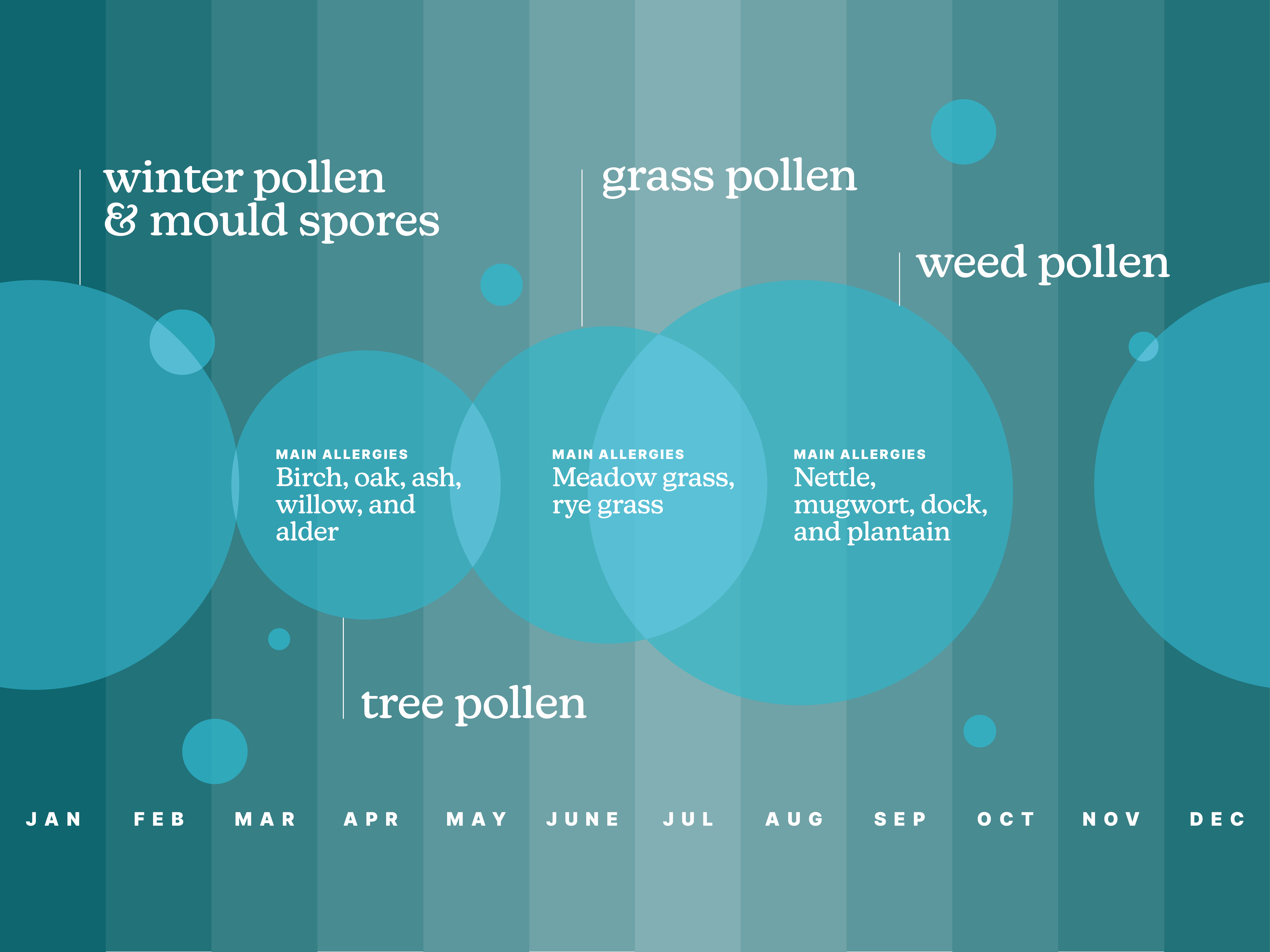
We've got good news and bad news.
The bad news is that the UK pollen calendar isn't exactly short. Pollen season can begin as early as January and continue through spring and summer, stretching well into autumn.
Now for the better news: you're unlikely to be allergic to every type of pollen. You may only struggle with spring allergies, experience symptoms throughout summer, or notice flare-ups during autumn. Knowing which season affects you most can make managing your symptoms much easier.
Indoor Allergy Triggers That Could Be Making Symptoms Worse
Your indoor air quality could also be playing a role.
It's easy to assume that once you’ve closed the front door and put the kettle on, you've escaped the worst of your hay fever triggers.
Unfortunately, pollen has a sneaky way of creeping inside your home. Add dust, pet dander and other airborne irritants into the mix, and your symptoms can quickly become even more frustrating.
Dust mites, mould spores, pet dander and VOCs (Volatile Organic Compounds) may all be lurking indoors, quietly making allergy symptoms worse. These airborne irritants can contribute to respiratory discomfort, itchy eyes, headaches, asthma flare-ups and skin irritation, adding even more frustration to an already challenging hay fever season.
We're just saying, none of these sound particularly enjoyable, especially on top of already irritating symptoms. So, if you’re already in histamine hell, paying attention to the air quality inside your home could make a noticeable difference.
How to Reduce Hay Fever Symptoms at Home
While there isn't a magic cure for hay fever, keeping these tried-and-tested tricks up your sleeve can help ease the burden without taking medication. Think of it as becoming a professional pollen evader.
Fresh air is great. Fresh air packed with pollen? Not ideal.
Before heading outdoors, check the daily pollen forecast. On high-pollen days, try to avoid spending extended periods outside during the early morning and evening when pollen levels are often at their highest.
If you've spent time outdoors, a quick shower and a change of clothes can help stop pollen following you around the house for the rest of the day. It's a simple habit, but one that many allergy sufferers already swear by.
Before you start rummaging through your medicine cabinet, here are a few genuinely easy habits that can help reduce your exposure to allergens:
- Keep windows closed during high-pollen periods
- Dry laundry indoors rather than outside
- Wear wraparound sunglasses outdoors to help protect your eyes
- Vacuum regularly using a vacuum with good filtration
- Use a saline nasal rinse to help clear pollen from nasal passages
- Wash bedding frequently during peak allergy season
None of these changes are particularly dramatic on their own. Together, though, they can make a real difference to your symptoms.
Yes.
Simply put, air purifiers help reduce hay fever symptoms by removing airborne allergens from the air you breathe.
Choosing an air purifier with a True HEPA filter can capture up to 99.97% of airborne particles as small as 0.3 microns, including many of the allergens responsible for triggering allergy symptoms.
That includes:

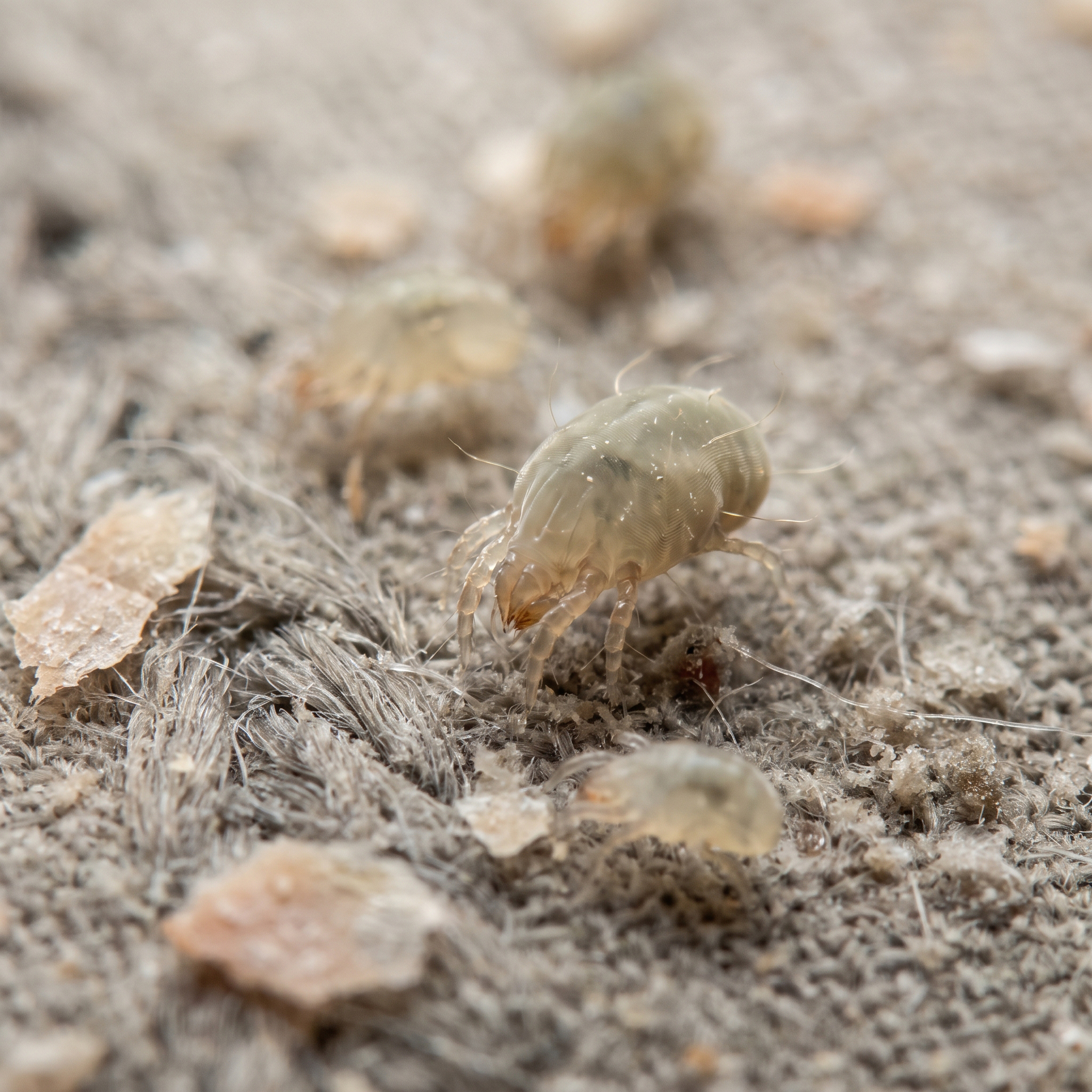
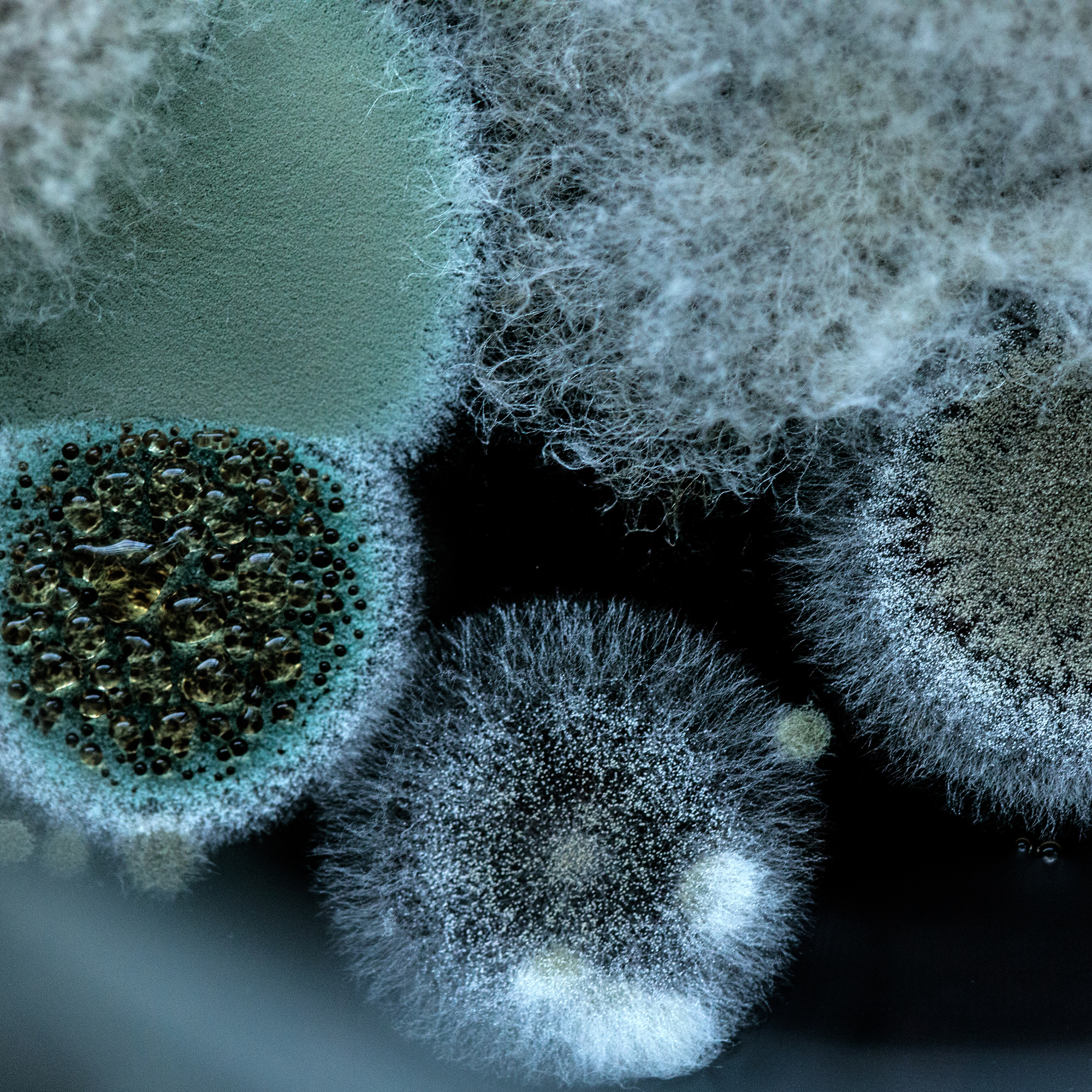

Rather than continuously breathing these irritants back into your living space, a HEPA-equipped air purifier helps remove them from the air altogether. For allergy sufferers, that's a pretty compelling reason to add one to your home setup.
Best Air Purifiers for Hay Fever and Seasonal Allergies
Choosing the right air purifier doesn't just come down to the features. It depends on where and when you'll use it. It might sound obvious, but you spend every hour of every day breathing the air around you. For those 24 hours, you deserve the best air quality possible. Here are two options designed for different lifestyles.
Whether you're working, sleeping or simply relaxing, it delivers powerful air filtration without being the loudest thing in the room.
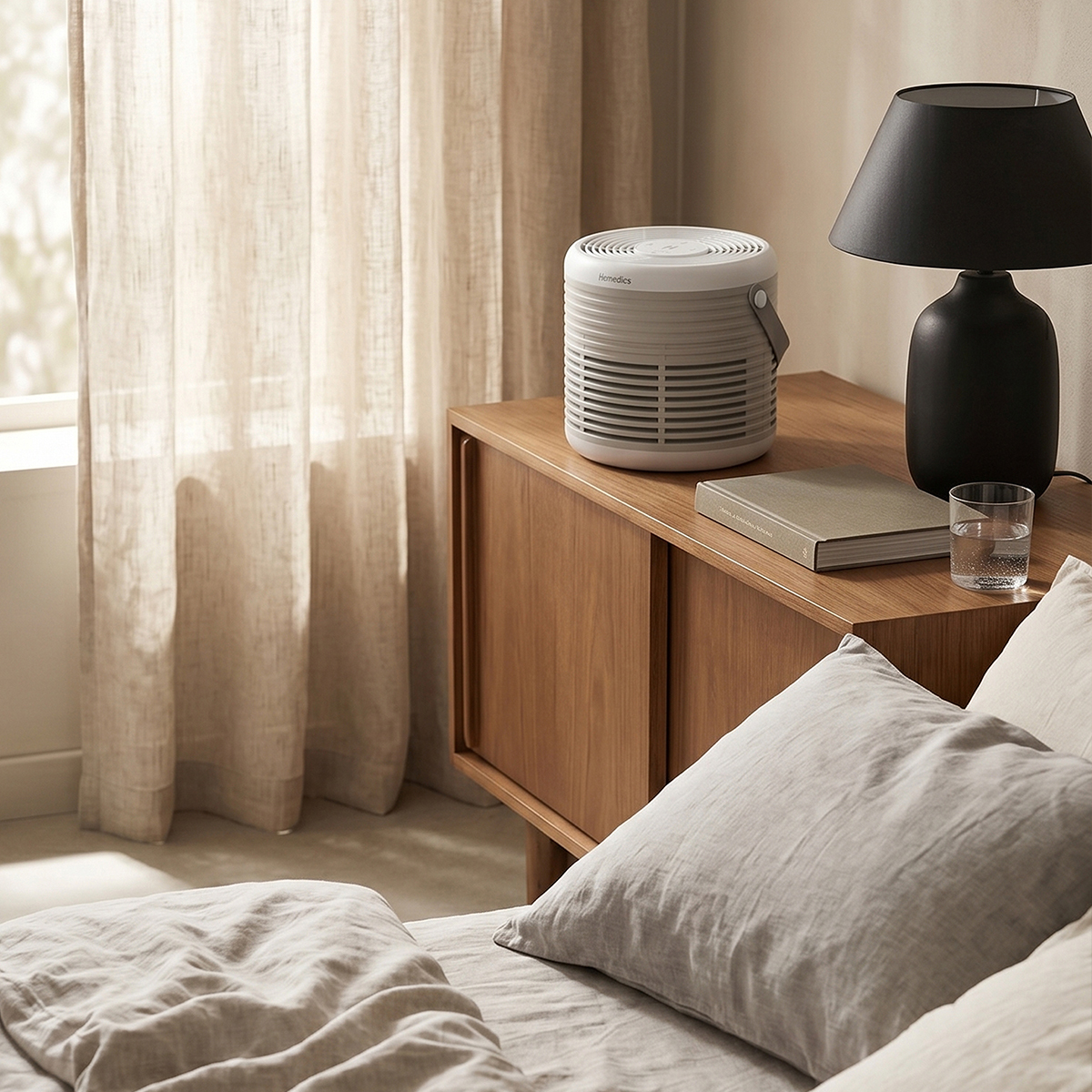
When Hay Fever Hits Home
If you're battling itchy eyes and a blocked nose at bedtime, or your work-from-home days feel more like sneeze-from-home days, the WhisperPure Comfort Air Purifier is designed to help create a cleaner indoor environment.
- 3-in-1 True HEPA filter captures airborne allergens, including pollen and mould spores
- Activated carbon filtration helps reduce unwanted household odours
- Covers rooms up to 42m², making it ideal for bedrooms, living spaces and home offices
- Three whisper-quiet speed settings between 20 and 53 dBA for minimal disruption
- Convenient carry handle for moving between rooms with ease
- Essential oil tray allows you to personalise your air with your favourite scents
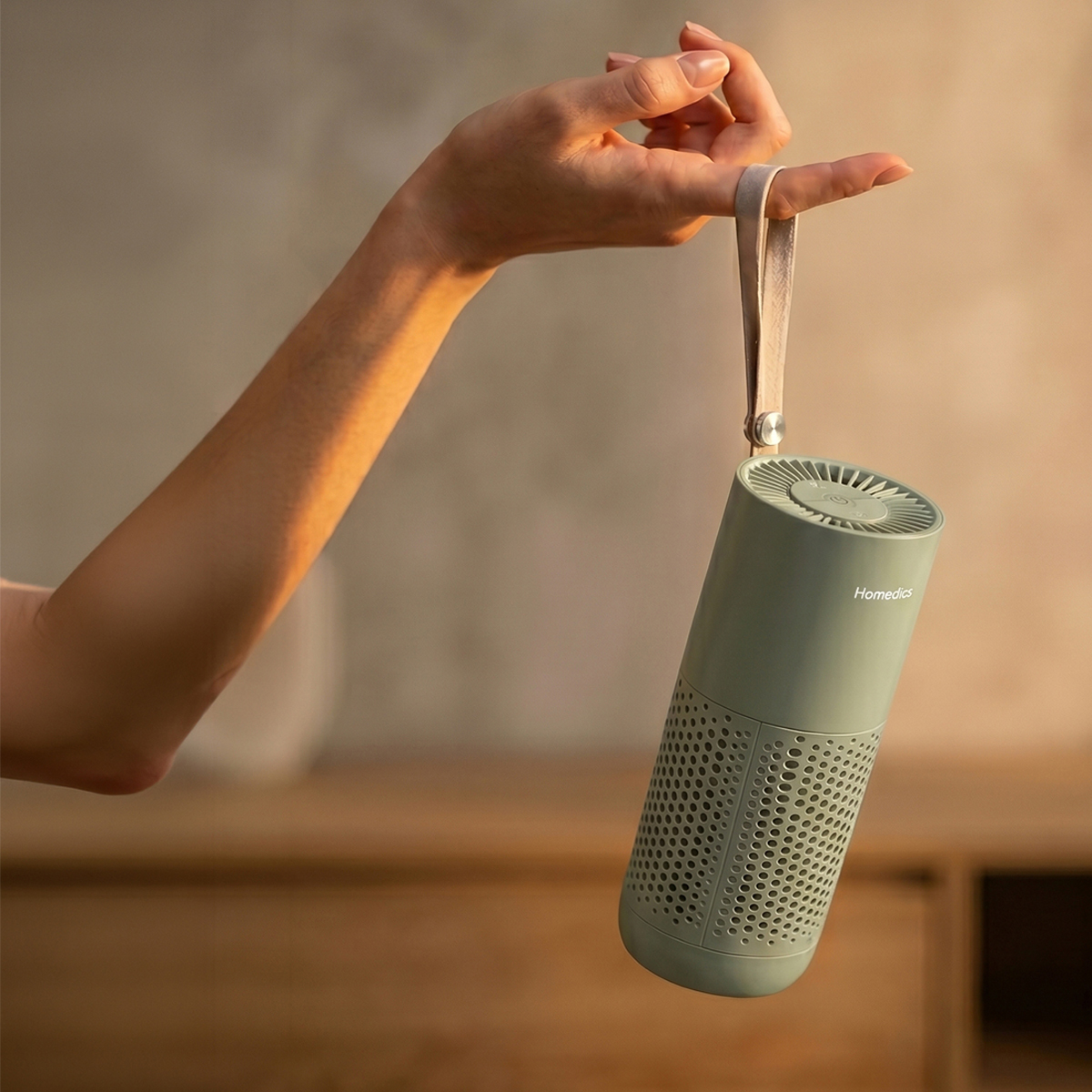
When Pollen Invades Your Personal Space
As we've established, allergens don't stay in one place, and neither do you. The WhisperPure Mini is designed for desks, bedside tables, car cup holders and other personal spaces.
- 3-in-1 HEPA-Type filter helps capture airborne particles that can affect indoor air quality
- Up to 8 hours of cordless use via USB-C charging for flexible placement
- Three quiet speed settings between 17.5 and 34 dBA
- Compact design with an integrated carry strap for portability
- Ideal for workspaces, travel, bedrooms, with an essential oil tray for added comfort
The WhisperPure Mini is an easy way to keep cleaner air close by, whether you suffer from seasonal allergies or just want to keep your air a little more personal.
Hay fever is no picnic, and during allergy season, you'd probably decline the invitation to one too. But by identifying your personal triggers, making a few simple changes around the home and taking steps to reduce your exposure to allergens, you can make a real difference to how you feel throughout the season.
While there's no way to stop pollen from doing what pollen does, you can make your home a more comfortable place to escape it. Whether that's checking the pollen forecast before heading out, washing away allergens after spending time outdoors, or investing in an air purifier to help keep your indoor air cleaner, every step helps.
Here’s to breathing a little easier this summer.
The information in this article is intended for general informational purposes only and should not be considered medical advice. This article is not a substitute for professional medical advice, diagnosis or treatment. If you have concerns about your allergies, symptoms or overall health, please consult your GP, pharmacist or another qualified healthcare professional. If your symptoms are severe, persistent or worsening, seek medical advice promptly. Any products mentioned in this article are intended to support indoor air quality and comfort. They are not intended to diagnose, treat, cure or prevent any medical condition.